Candidate responsibility
Show the relationship between a practice objective, a specific activity and the review that follows. Be clear about your contribution if the work was shared.
Your strongest evidence is not a speech about winning. It is a clear account of how you helped a group practise, review and make better decisions.
Build your evidenceA coaching title can hide several different jobs: designing practice, supporting an in-game leader, developing individual skills or managing a wider performance programme. Before presenting yourself for a role, identify which decisions you would own. A tactical coach and a head coach may watch the same match but be accountable for very different outcomes.
Write a short remit in plain language. State who you work with, the problem you are trying to improve, the resources you need and the person who resolves conflicting priorities. This is useful for experienced staff as well as career changers. It makes a conversation about suitability more concrete than a list of games, ranks or personal achievements.
Show the relationship between a practice objective, a specific activity and the review that follows. Be clear about your contribution if the work was shared.
Define authority over selection, tactics, discipline and scheduling. Do not expect a coach to resolve every operational or welfare problem without support.
Begin with one observable behaviour rather than an ambition such as “better communication”. For example, a team might need a more consistent information handoff before committing to an objective. Explain what good execution would look like, which situations you will rehearse and what evidence you will review afterwards. Avoid treating one match result as a measurement of the whole process.
A useful session plan includes preparation, a briefing, the activity, a stopping rule and a short debrief. It also names the constraints: player availability, equipment, patch changes and limited review time. In Counter-Strike 2, VALORANT or League of Legends, the details differ, but the underlying planning question remains the same: what should players do differently after this session?
A review is not improved by collecting every mistake. Choose the moments that relate to the session objective, separate observation from interpretation and invite players to explain what information they had. A clip can show an action without proving the intention behind it. Document competing explanations before deciding which one deserves further practice.
Keep individual conversations private unless the player has agreed otherwise. Written feedback should be specific enough to support a next action without becoming a permanent label about attitude or character. Where a concern involves health, safeguarding or another specialist area, use the appropriate referral route rather than presenting coaching authority as clinical expertise.
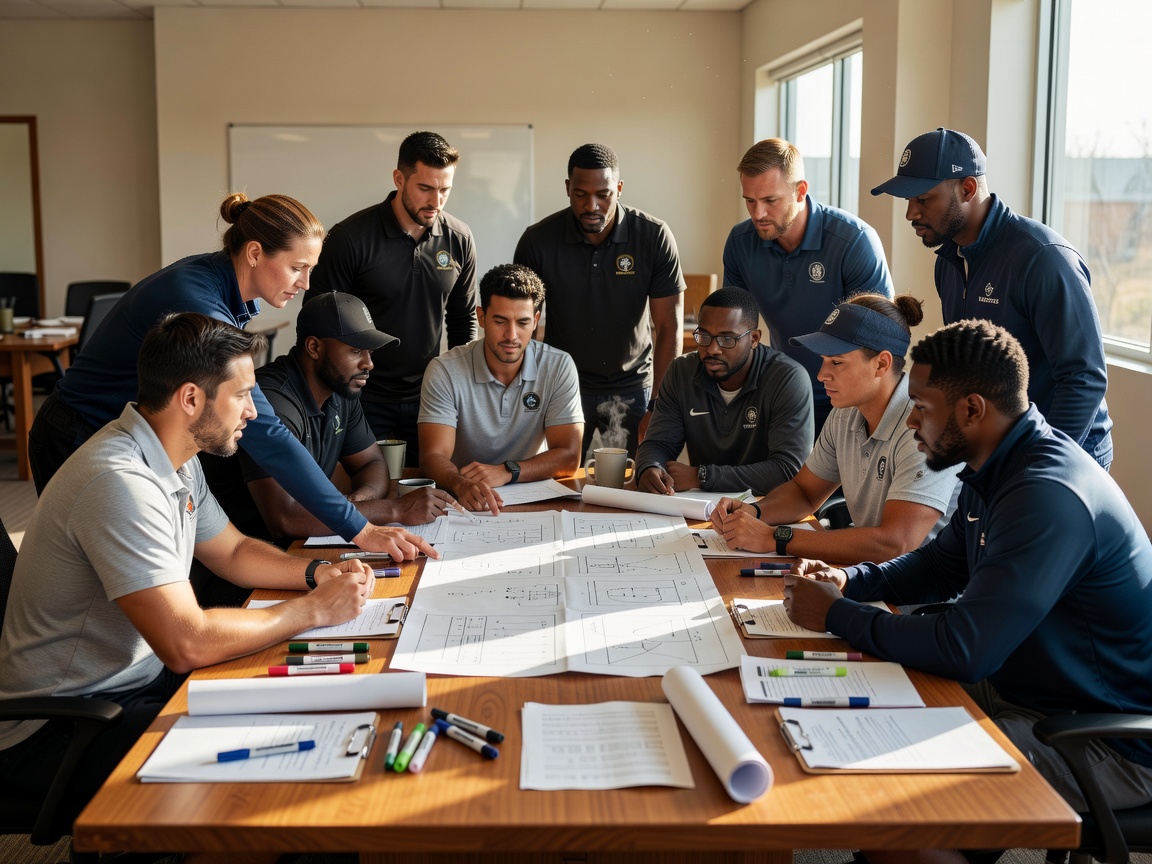
Competitive outcomes have many causes. A useful portfolio describes the intervention and the evidence available, then acknowledges what cannot be established. You might show that a review process became more consistent or that players could explain an agreed decision rule. That is more credible than attributing a tournament finish to your session plan.
Use public footage only within the rights and permissions that apply to it. Public availability does not automatically permit redistribution. A written analysis with timestamps may be more appropriate than uploading a collection of clips. If you create a simulated example, label it clearly and explain which parts were not tested with a real team.
During an interview, ask who sets the performance priorities and how disagreements between coaches, analysts and players are handled. Ask how much preparation time is available, what review tools the organisation provides and whether travel changes the expected working pattern. A written brief should identify supervision and escalation, not simply demand permanent flexibility.
For an assessment, agree the task, time limit, compensation, ownership and intended use before starting. Do not share a previous organisation's confidential playbook to prove experience. A thoughtful explanation of a restricted example, supported by a public or synthetic sample, demonstrates judgement as well as competence. The goal is to make your working method inspectable without exposing the people who trusted you.